Home

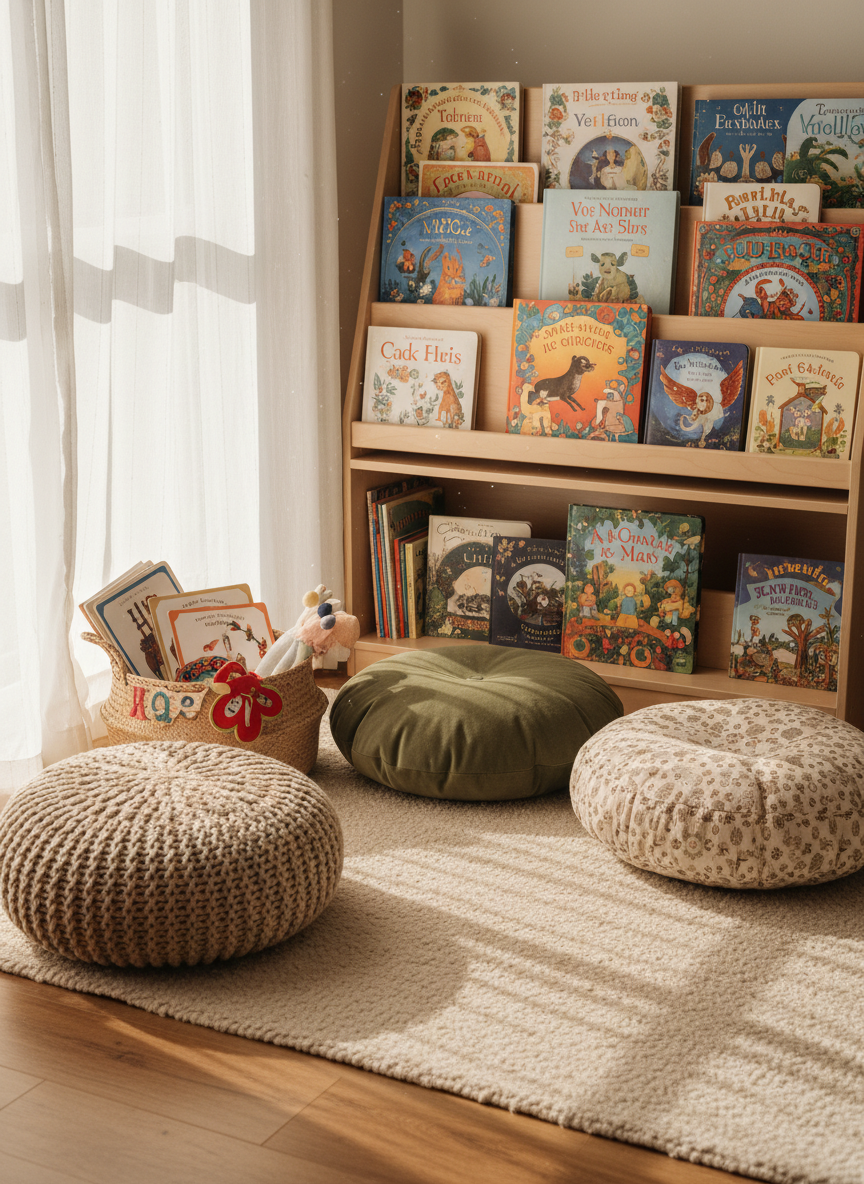
A cozy early childhood reading corner featuring a low, light-wood bookshelf filled with developmentally appropriate picture books, each with bright, detailed covers facing outward. A plush, neutral-toned rug and a few textured floor cushions are arranged in a semi-circle, with a small woven basket of simple, hands-on literacy activities beside them. Soft afternoon light filters through sheer curtains, creating a gentle, diffused glow and subtle shadows on the floor. The composition is shot at child’s-eye level with photographic realism, emphasizing the inviting textures of fabric, wood, and paper. The mood is nurturing and focused, suggesting a space designed to support young children’s language development and love of learning in a professional yet warm environment.

About

Tano Education bridges research and real life, turning child development science into clear, usable tools for adults who care for children, so everyday moments at home, school, and care settings nurture learning, wellbeing, and confidence.

Resources

Read practical guides, activity ideas, and child development insights.
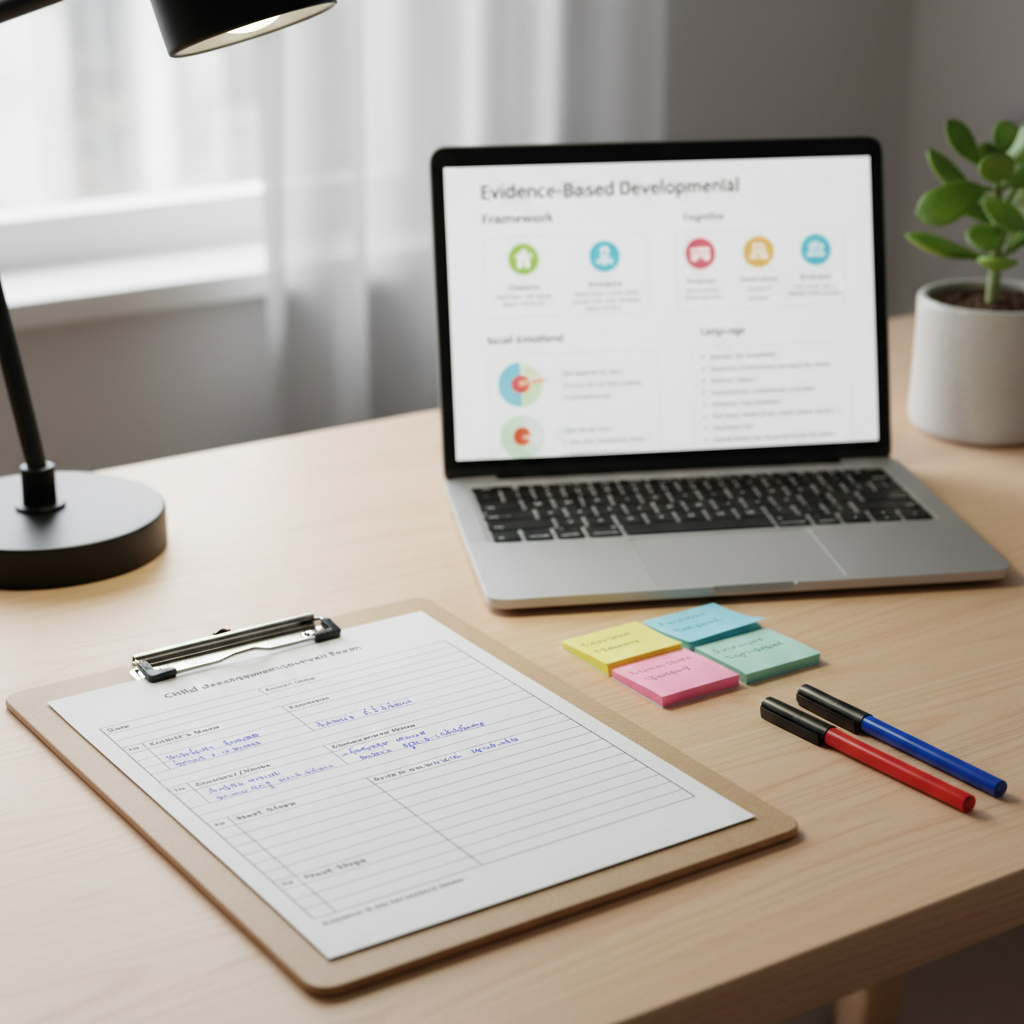
A tidy planning workspace with a smooth, pale birch desk holding a printed child development observation form clipped neatly to a sturdy clipboard, alongside color-coded sticky notes, fine-tip pens, and a durable laptop displaying a clear, evidence-based developmental framework. A small potted plant with glossy green leaves adds a touch of nature. Overhead, soft natural daylight from an unseen window blends with discreet warm task lighting, creating minimal glare and even illumination. Shot from a slightly elevated angle in photographic realism, the composition uses the rule of thirds, keeping the clipboard in crisp focus while the laptop and plant fall gently out of focus. The atmosphere is organized, thoughtful, and professional, evoking reflective practice and careful planning for children’s learning and wellbeing.

Services

We design workshops, coaching, and downloadable toolkits that translate developmental research into simple steps, helping educators, early childhood professionals, and families create responsive environments, intentional play, and everyday routines that foster secure relationships, self-regulation, and joyful learning.

Newsletter

Monthly ideas, not spam—research-backed tips for real families.
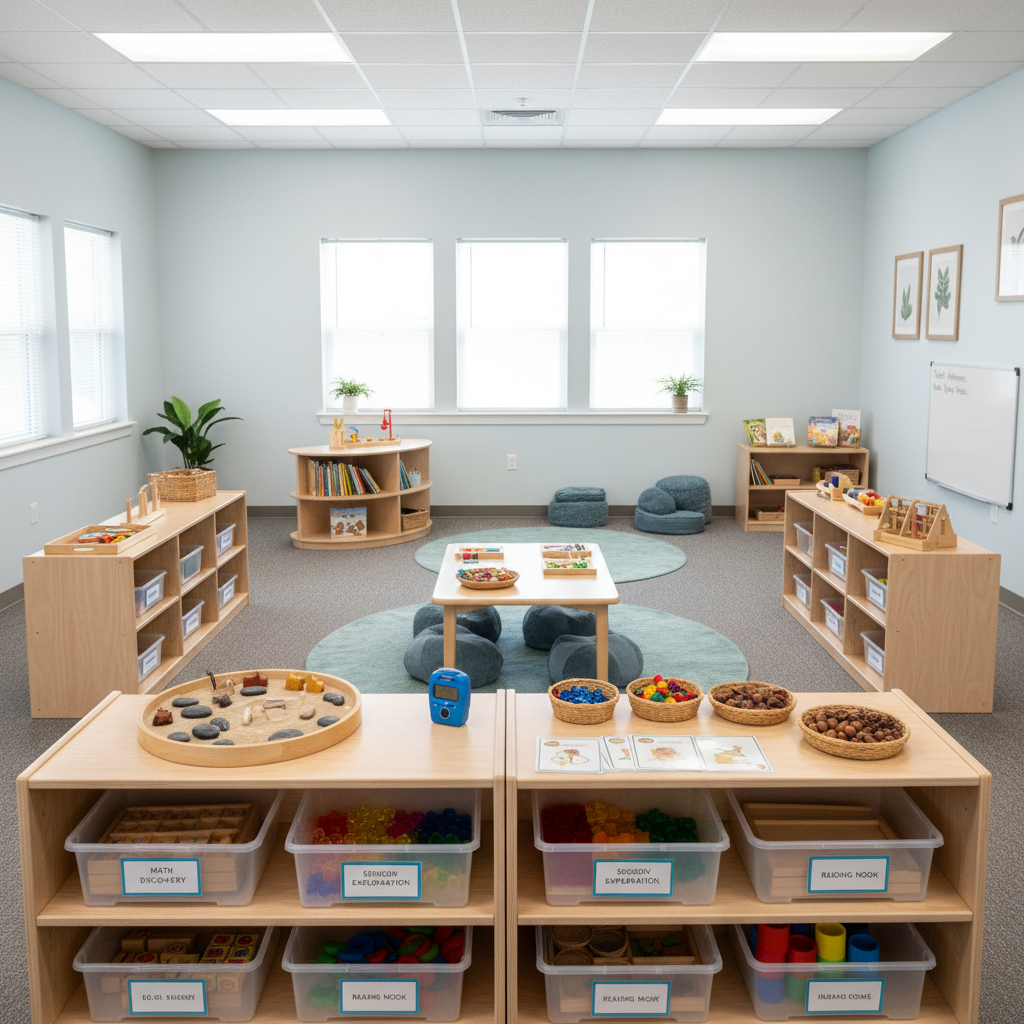
A spacious, well-organized early learning environment with low, open shelving made of light wood, each cubby containing clearly labeled trays of activity plans, sensory bins with natural materials, and simple math and science provocations. On a central child-height table, laminated activity cards and a durable timer are arranged beside small baskets of manipulatives. Large windows allow diffused, overcast daylight to evenly illuminate the room, minimizing harsh shadows and creating a soft, calm ambiance. Photographic realism with a wide-angle, slightly elevated composition shows the full layout in sharp focus, emphasizing clarity and order. The mood is professional, evidence-informed, and welcoming, portraying a thoughtfully prepared space that supports children’s exploration, self-directed learning, and overall development.
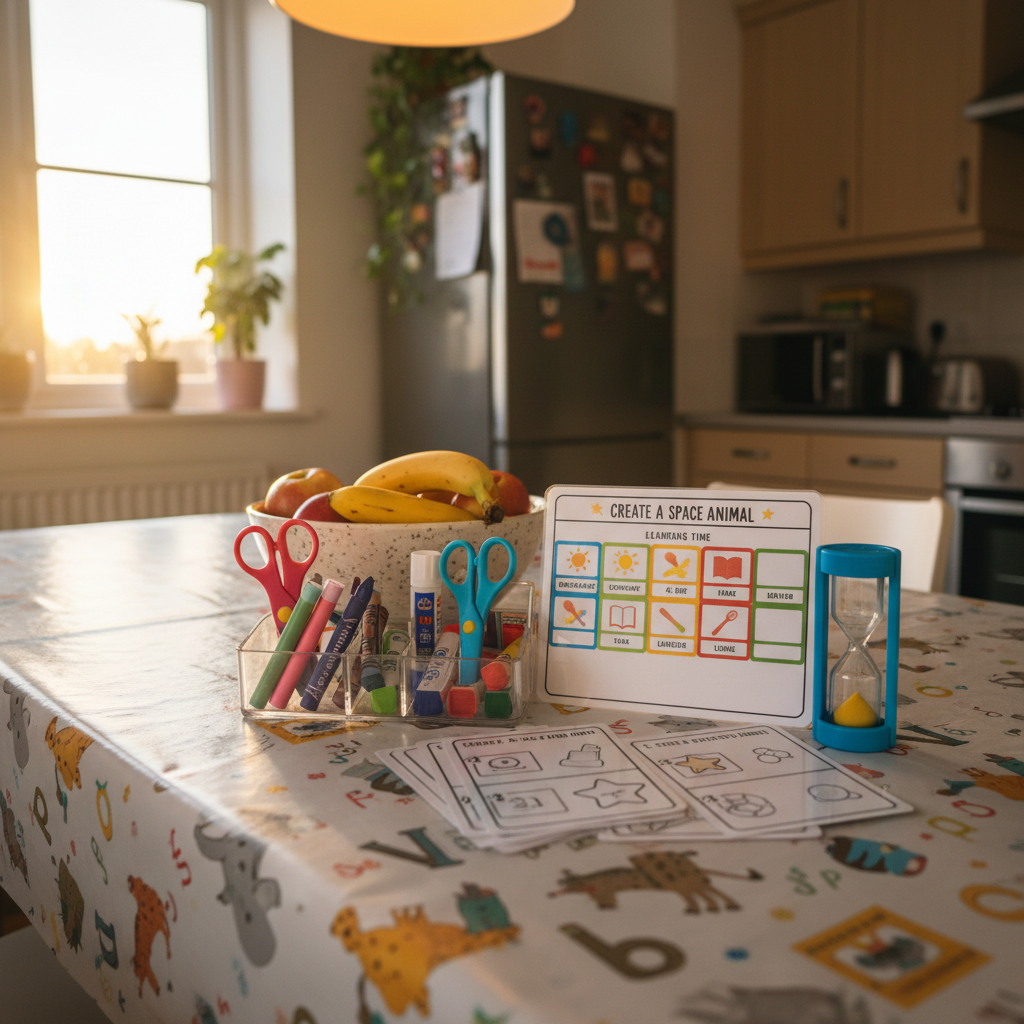
A family-friendly kitchen table transformed into a home learning station, featuring a wipeable tablecloth, a clear plastic organizer filled with crayons, child-safe scissors, and glue sticks, and a stack of simple, printed activity cards with icons and step-by-step instructions. A small, colorful timer and a sturdy, laminated routine chart are propped upright against a ceramic fruit bowl. Early evening natural light from a nearby window mingles with warm overhead lighting, creating a cozy, balanced glow and soft, overlapping shadows. Photographic realism, shot at a slight angle with shallow depth of field, keeps the activity cards and organizer sharply in focus while the background blurs into soft shapes of cabinets and appliances. The scene feels approachable, practical, and supportive of families engaging in everyday learning at home.

Turn research into everyday parenting

Explore articles, printables, and reflection prompts that make complex child development concepts easy to apply, whether you are planning a classroom, setting up a play corner, or supporting your child’s emotions during everyday routines and transitions.

“These tools changed the way I understand and respond to children.”

— Aya Nakamura

Contact Tano

Reach out to plan training, request resources, or collaborate on projects that support children’s learning, wellbeing, and development.

← Tilbake

Takk for svaret ditt. ✨